
Share your reports
Step 1




English
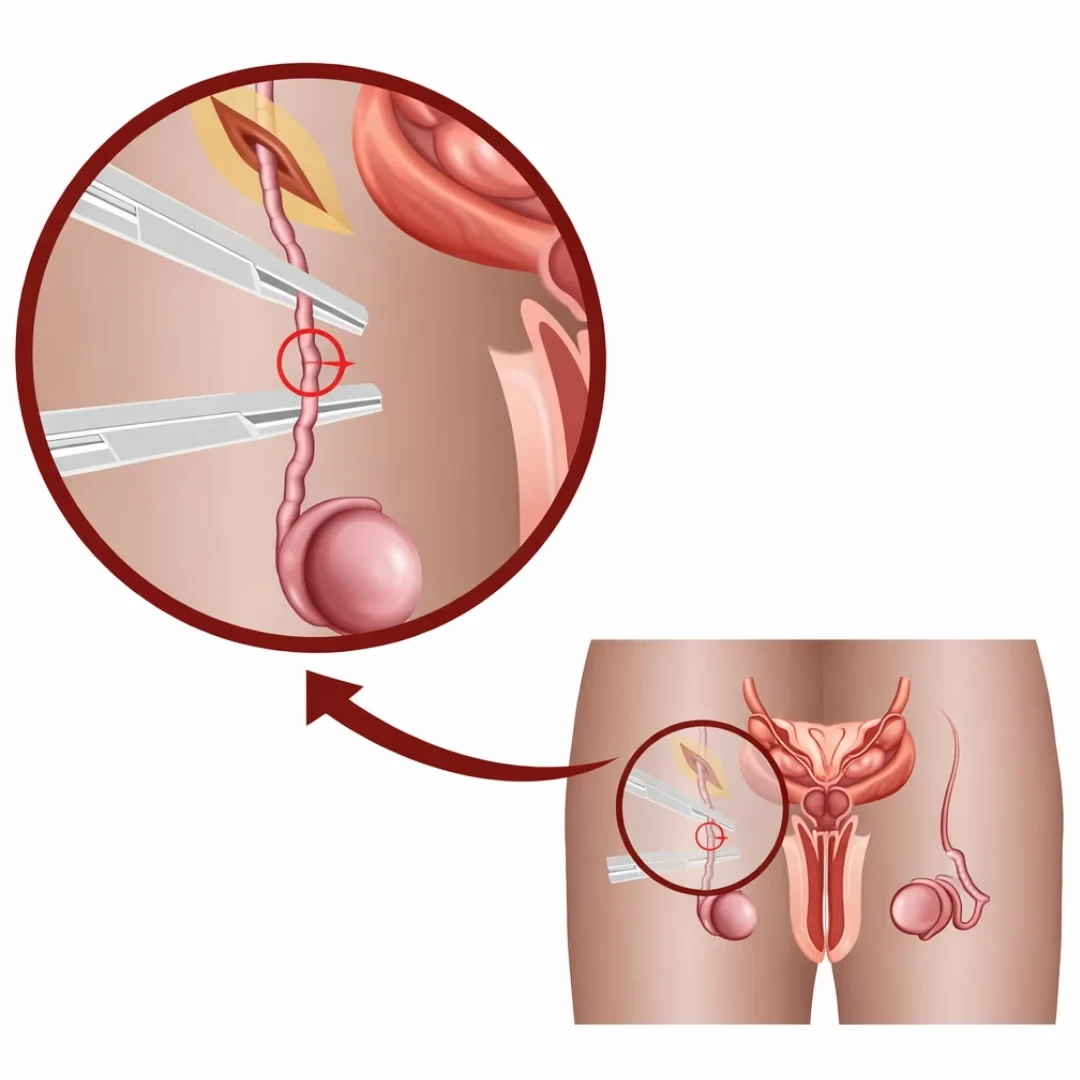
Orchidectomy is also known as orchiectomy, orchectomy or testicle removal surgery, it is a medical procedure that involves the surgical removal of one or both testicles. This treatment may be needed for various medical conditions such as testicular cancer, severe trauma, chronic pain or as part of gender affirmation surgery. The procedure can be unilateral (one testicle) or bilateral orchiectomy (both testicles removed).
Sometimes, people may hear different terms like orchiotomy, testicular removal surgery or even casual phrases like balls removed, but they all refer to the same or similar procedures under the umbrella of orchidectomy.
This is a safe and effective treatment that can significantly improve health, reduce pain or support hormonal or cancer management when needed.
To treat testicular cancer or reduce the risk of cancer spreading
For patients with chronic testicular pain not responding to other treatments
As part of prostate cancer treatment, to reduce testosterone levels
In cases of serious injury or infection to the testicles
For individuals undergoing gender-affirming surgery
To manage hormone-sensitive conditions
To prevent complications from testicular torsion
To reduce discomfort or swelling from balls dropping abnormally
Helps in cancer management and prevention
Reduces pain and swelling from testicular disorders
Supports hormone control in prostate cancer and gender transition
A simple and low-risk surgery with fast recovery
Permanent solution for recurrent testicular issues
May improve overall quality of life in certain medical conditions
Reduces the need for long-term medication in some cancer therapies
Helps in controlling testosterone levels naturally
Discuss your goals and concerns with your doctor
Understand the orchiectomy definition and what it involves
Complete any blood tests or imaging as advised
Stop certain medications if instructed for example blood thinners
Avoid eating or drinking for a specific period before surgery
Arrange for someone to accompany you home post-surgery
Mentally prepare for the emotional and hormonal changes that may follow
Clarify whether you are having unilateral or bilateral orchiectomy
The procedure is typically done under local or general anesthesia
A small incision is made in the scrotum or lower abdomen
The testicle(s) and spermatic cord are carefully removed
The incision is then closed with sutures
It usually takes 30 to 60 minutes depending on the complexity
You may be given the option of inserting a testicular prosthesis
1. Before the Procedure
Medical evaluation and discussion about the type of surgery
Informed consent and clear explanation of testicle removal surgery
Fasting instructions and pre-operative checkups
2. During the Procedure
You will be under anesthesia
The surgeon performs the procedure to remove testicles safely
Surgical area is cleaned and stitched up properly
3. After the Procedure
Short hospital stay or same-day discharge in many cases
Swelling, mild pain, or discomfort for a few days
Instructions on wound care and activity restrictions
Follow-up visits to monitor healing
Emotional or hormonal changes, especially after bilateral orchiectomy
Infection or bleeding at the surgical site
Pain or swelling after surgery
Emotional distress or adjustment after testicular loss
Risk of blood clots (rare)
Hormonal imbalance if both testicles are removed
Decreased libido or fertility depending on the surgery type
Need for hormone replacement therapy in bilateral cases
Minor risk of reaction to anesthesia
High success rate in treating testicular cancer or pain
Many patients return to normal life within a few weeks
Hormonal balance can be managed with medications, if needed
Improved quality of life and relief from symptoms
Emotional support or counseling may enhance recovery
For gender-affirming purposes, it plays a crucial role in transition journey
Transparent - Professional - Hassle Free
Share your reports
Step 1

Get Medical Opinions
Step 2

Get support in pre-arrival arrangements
Step 3

Assistance in logistics & Accommodations
Step 4

Assistance throughout treatment
Step 5

Fly back and Follow up
Step 6
Regimen Healthcare is home to top doctors renowned for their expertise and experience.

Real experiences from patients around the world
Top Procedures
Top Hospitals
Top Doctors
Why Choose Regimen Healthcare?
Need a Medical Treatment?
Get a free consultation & treatment plan from our experts.
 A-245, above Wow Gym, Abul Fazal Enclave Part 2, Jamia Nagar, Okhla, New Delhi, Delhi 110025
 query@regimenhealthcare.com
Follow Us